
Sentencing Across Borders: Debating Justice and Disparity
Recap of Volume 16 Symposium: Friday, April 10, 2026
Written by Victoria P. Foley
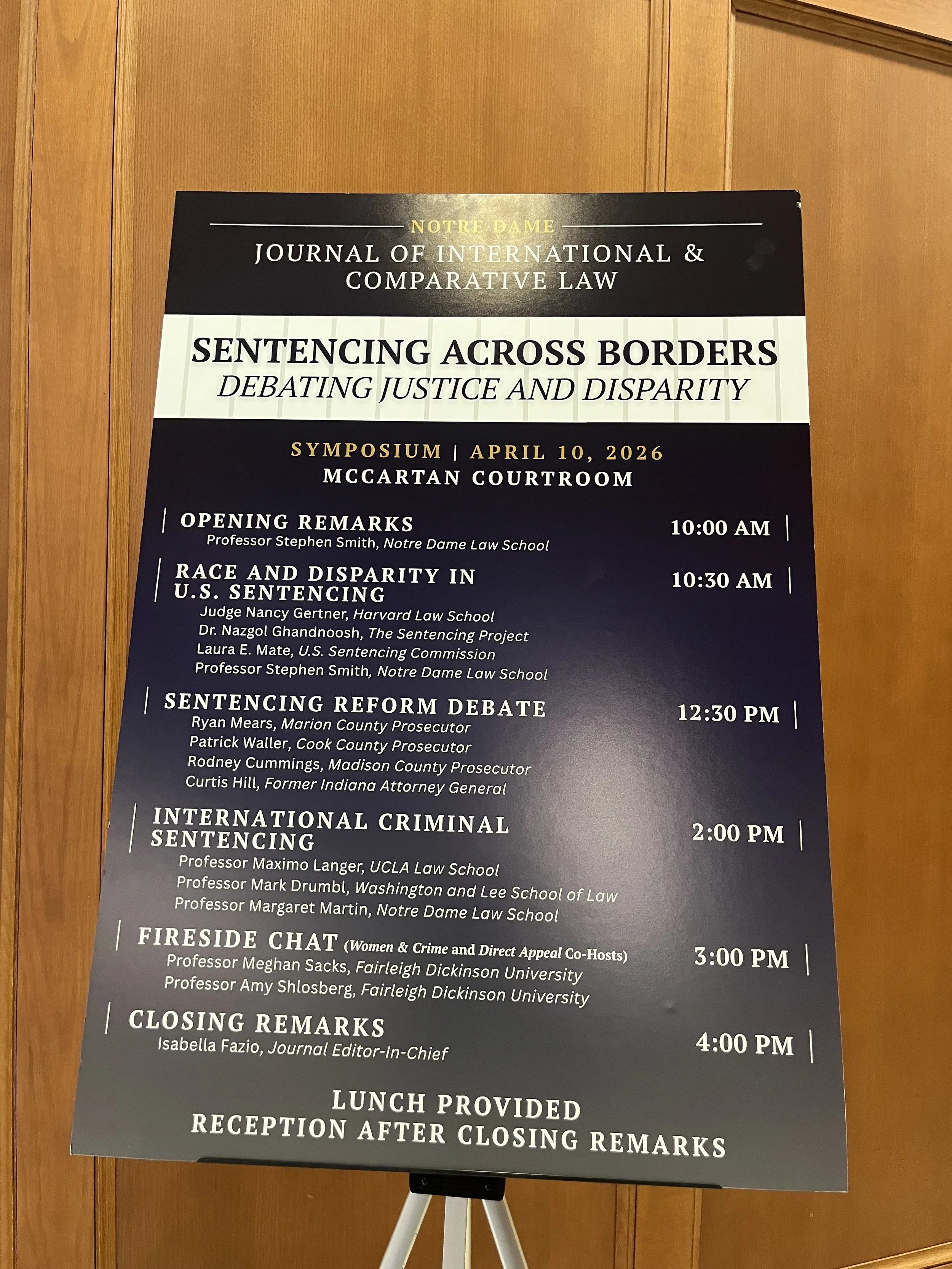
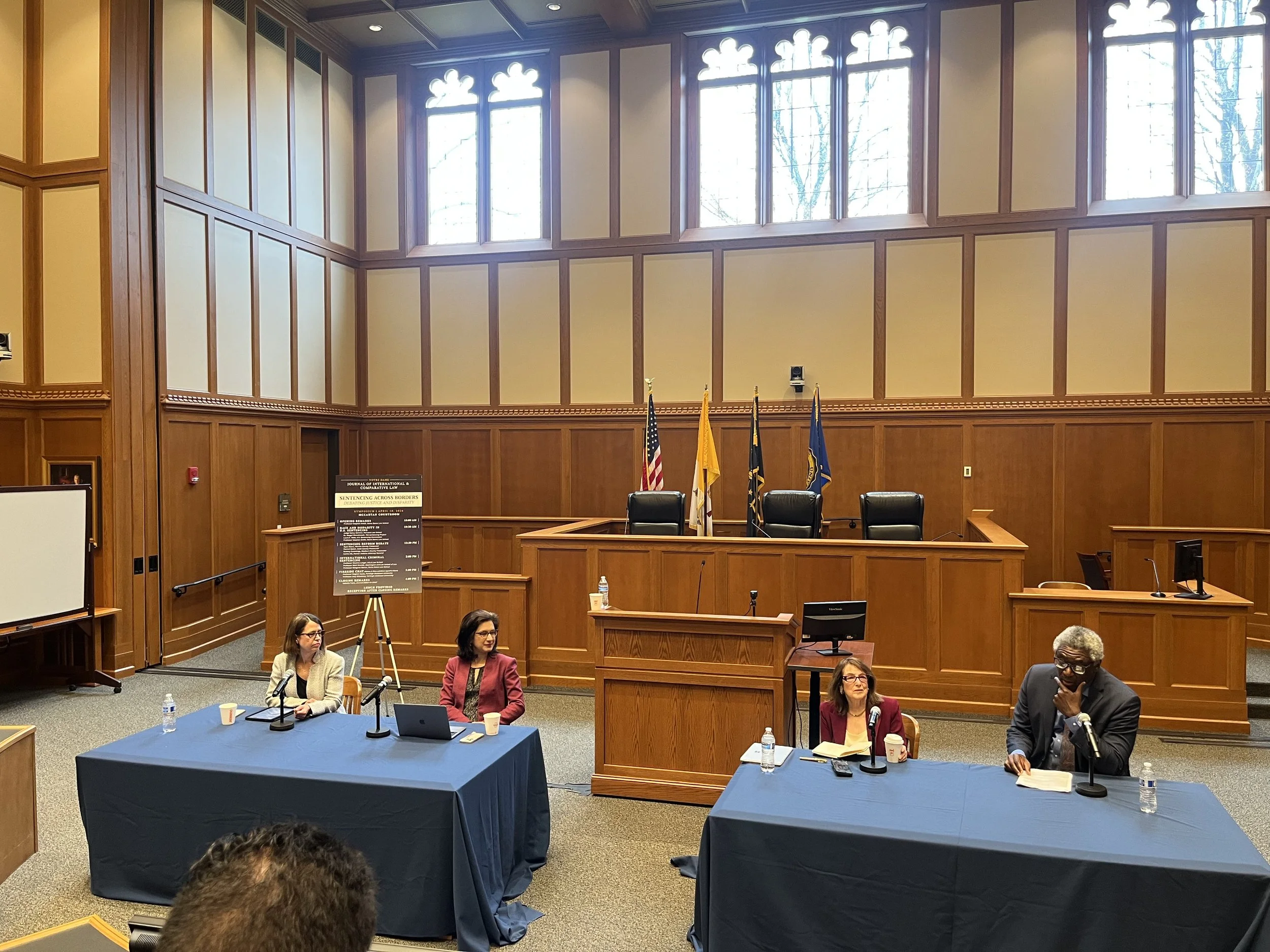
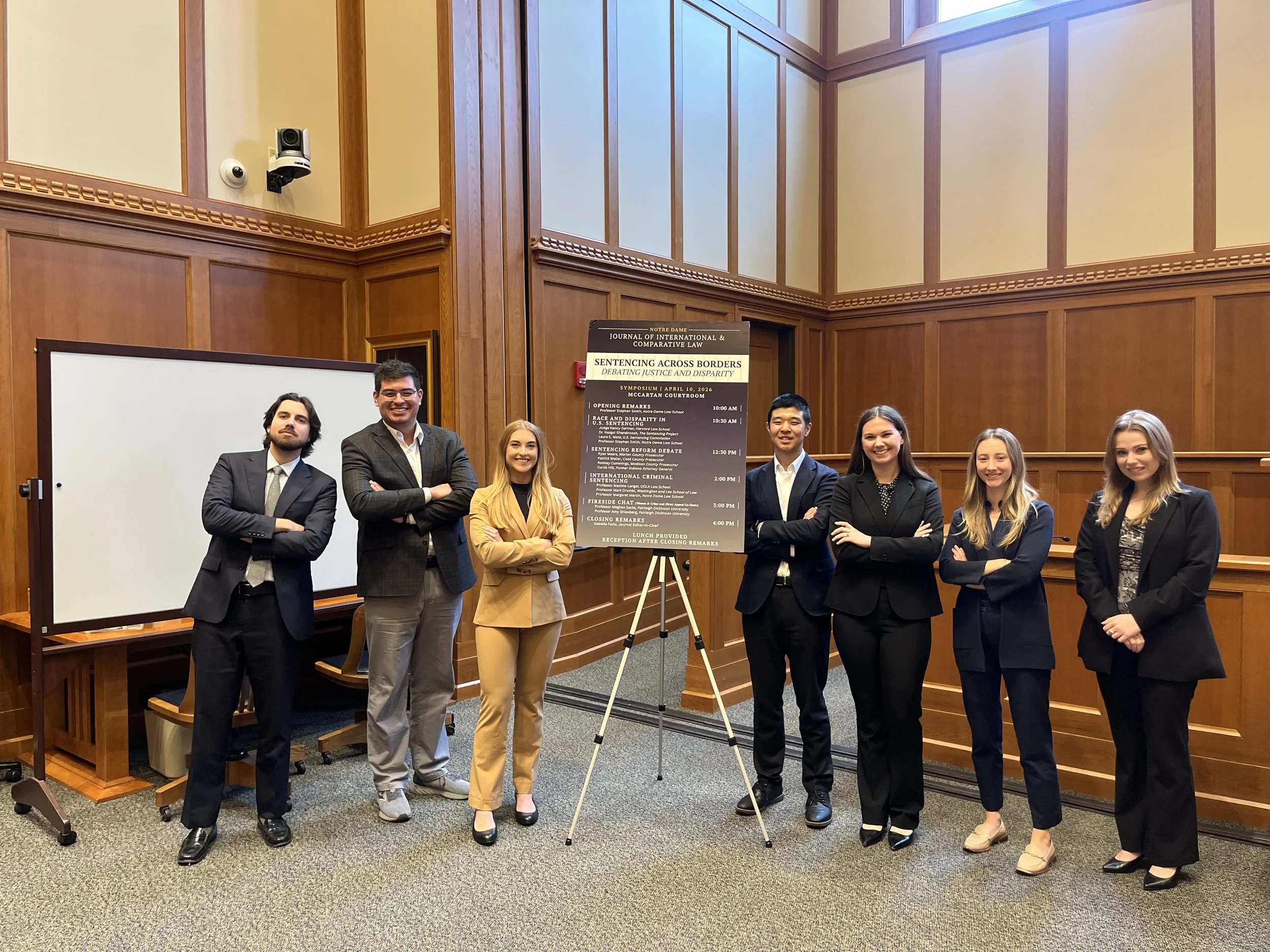
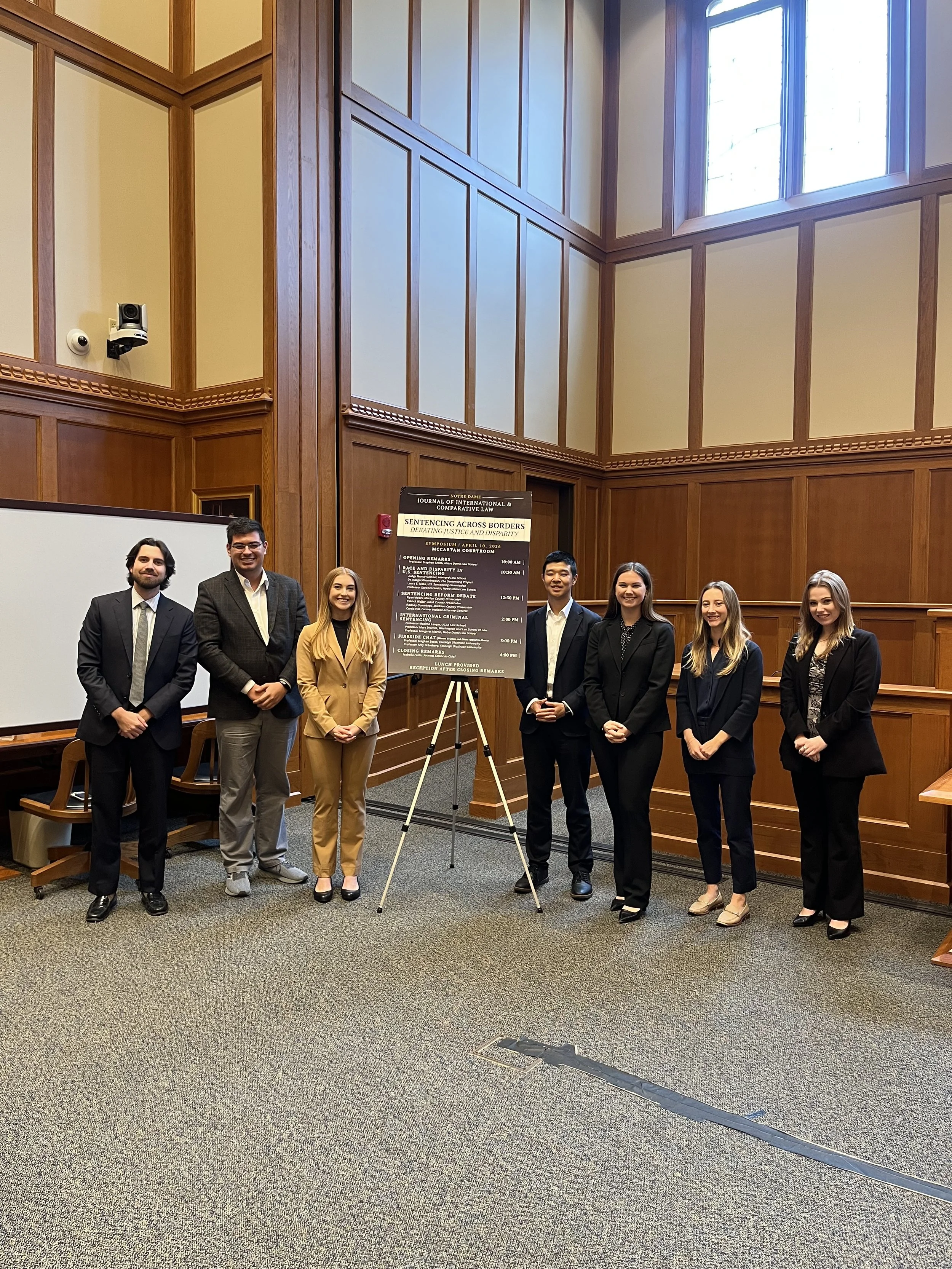
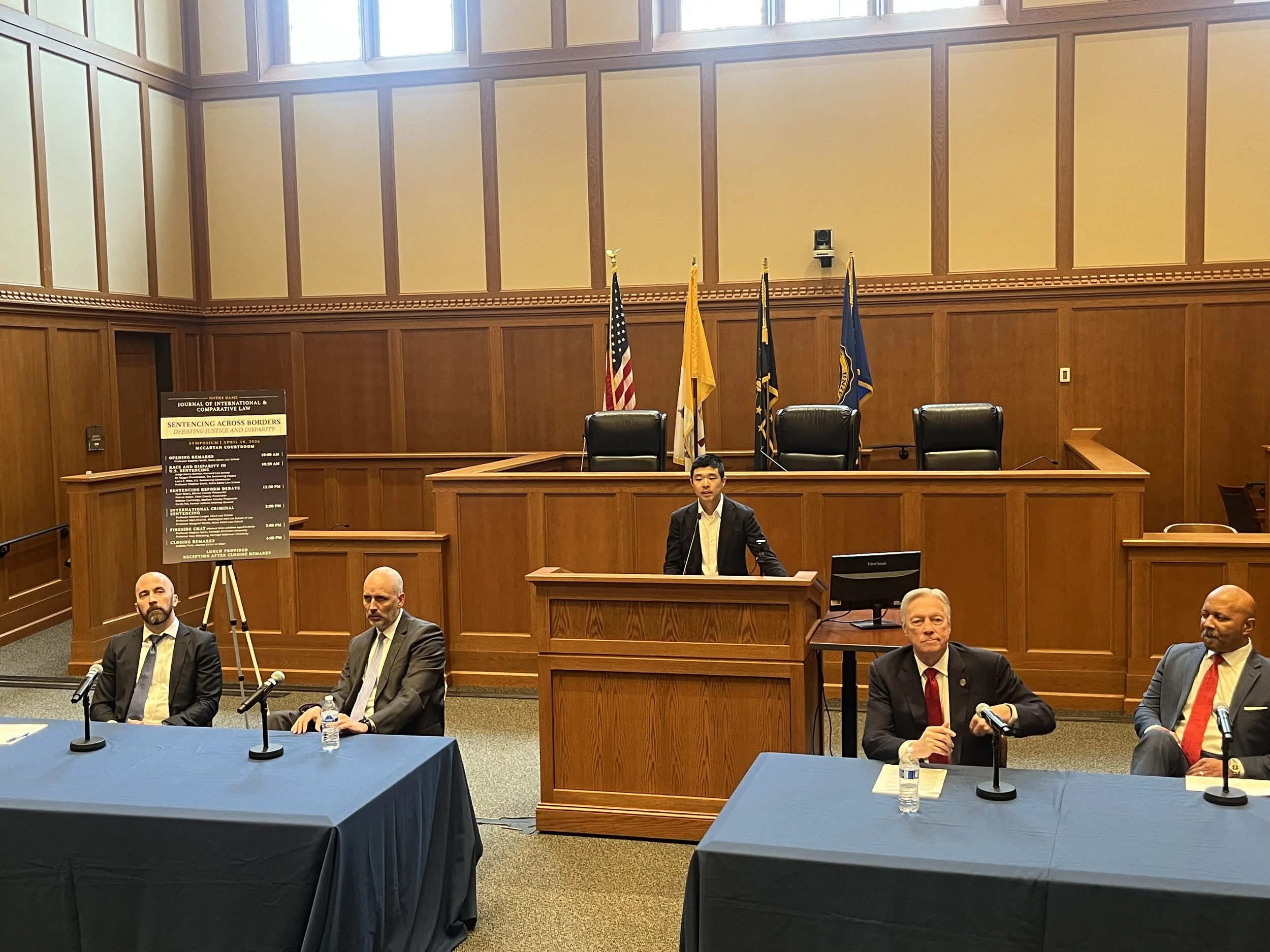
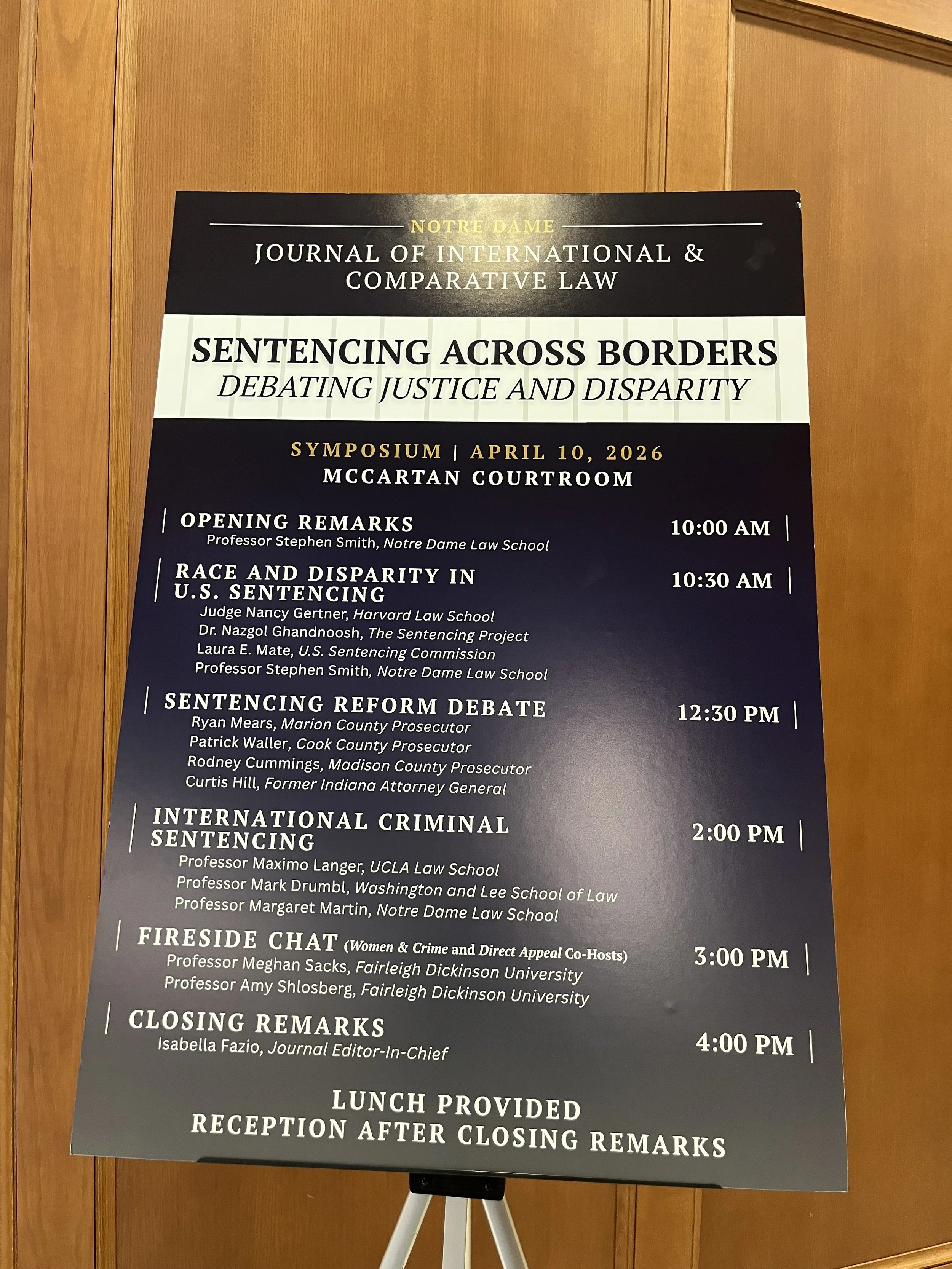
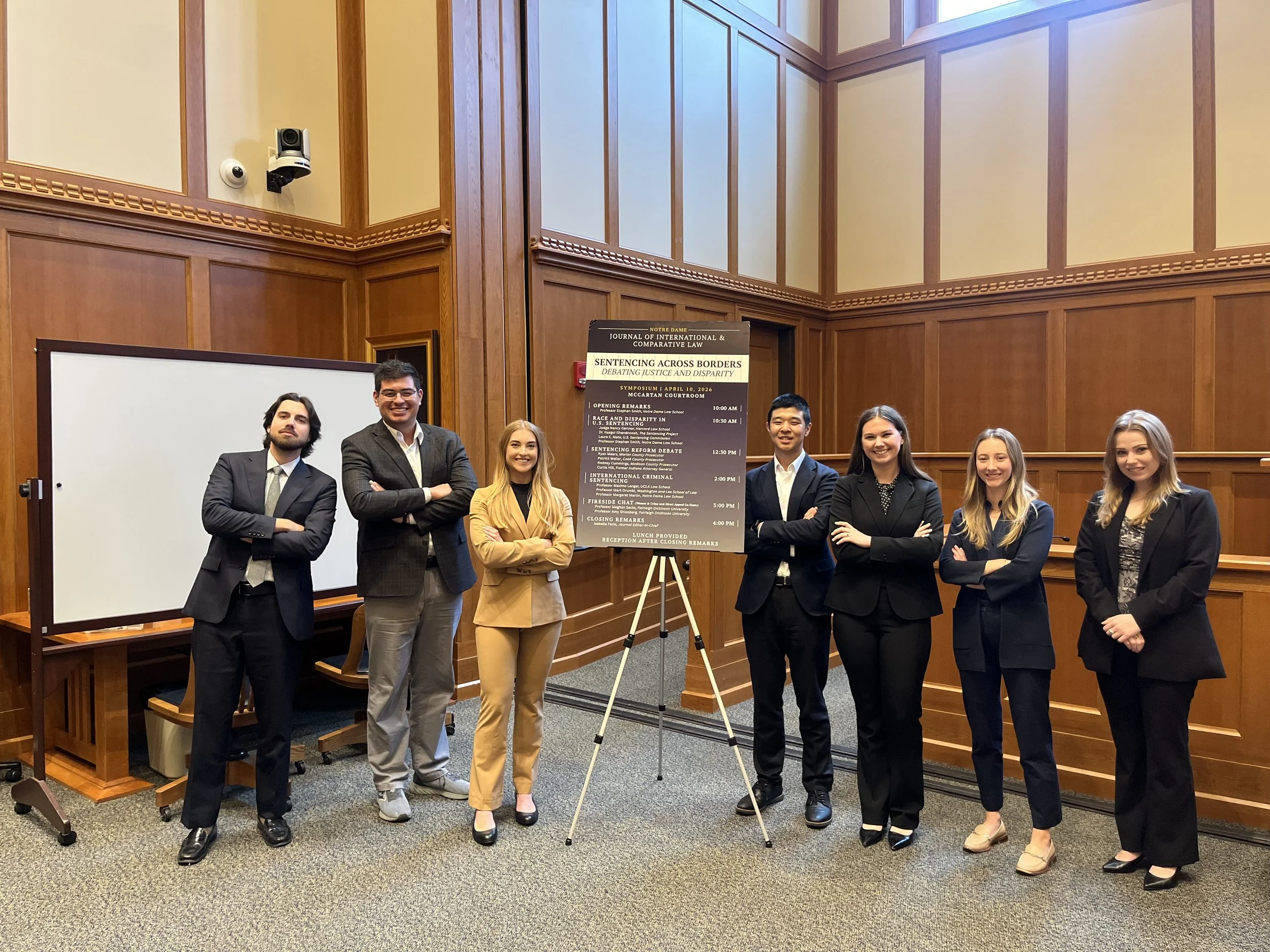
The Notre Dame Journal for International and Comparative Law (JICL) held its Volume 16 Symposium, “Sentencing Across Borders: Debating Justice and Disparity,” on Friday, April 10, 2026 in the McCartan Courtroom. The organizers of the event included the Executive Symposium Editors, Rebecca Sonn and Albert Kwon. JICL invited all members of the Notre Dame Law School and larger community to attend.
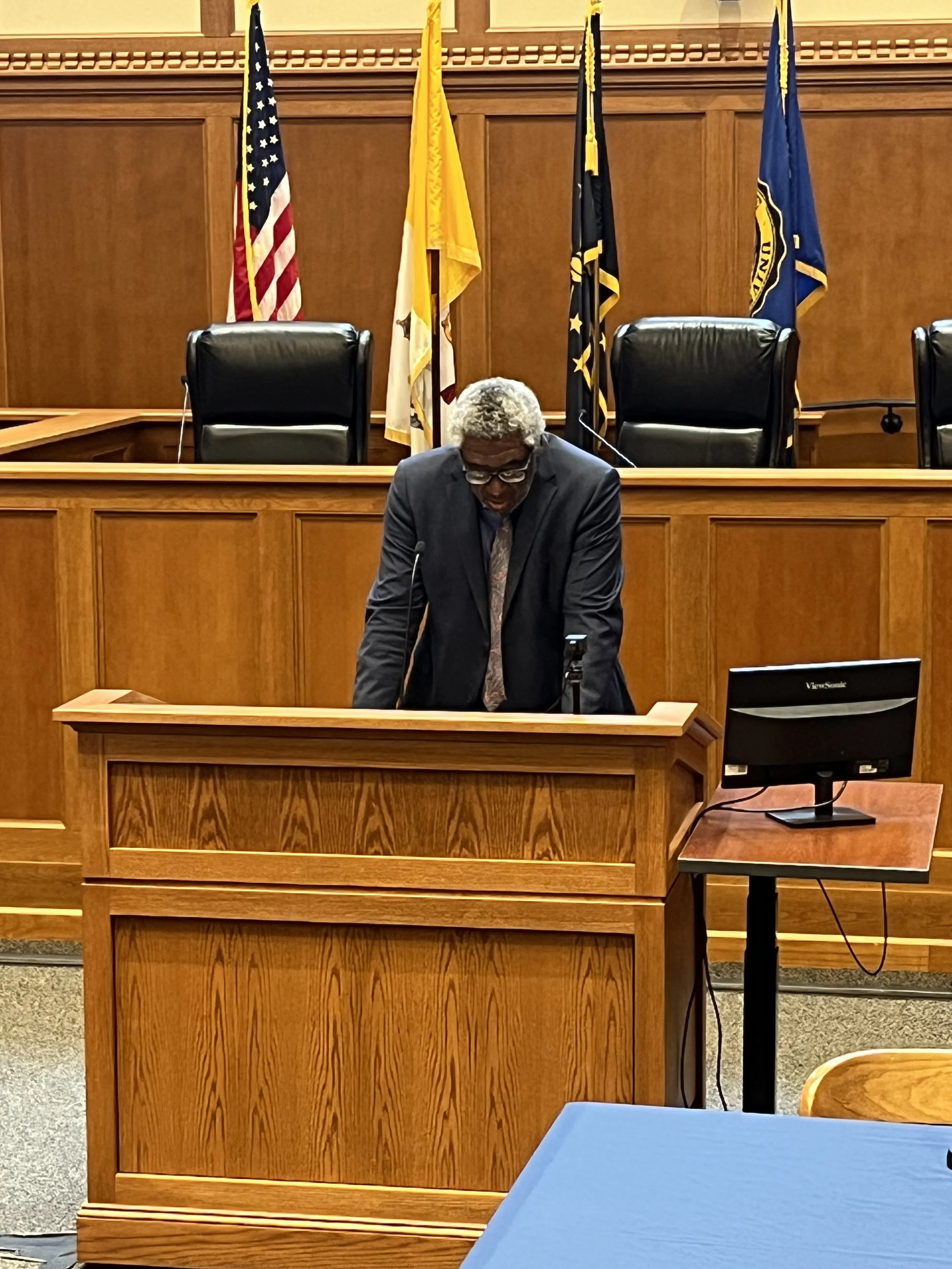
The day commenced with opening remarks by Prof. Stephen Smith (Notre Dame Law School), who spoke about the various disparities that exist in modern-day U.S. sentencing. Speaking about mass incarceration and realities of the criminal justice system, Prof. Smith highlighted how courts hand disproportionate sentences and what that means for the most vulnerable of society. He concluded his talk by presenting the latest statistics on incarceration in America today.
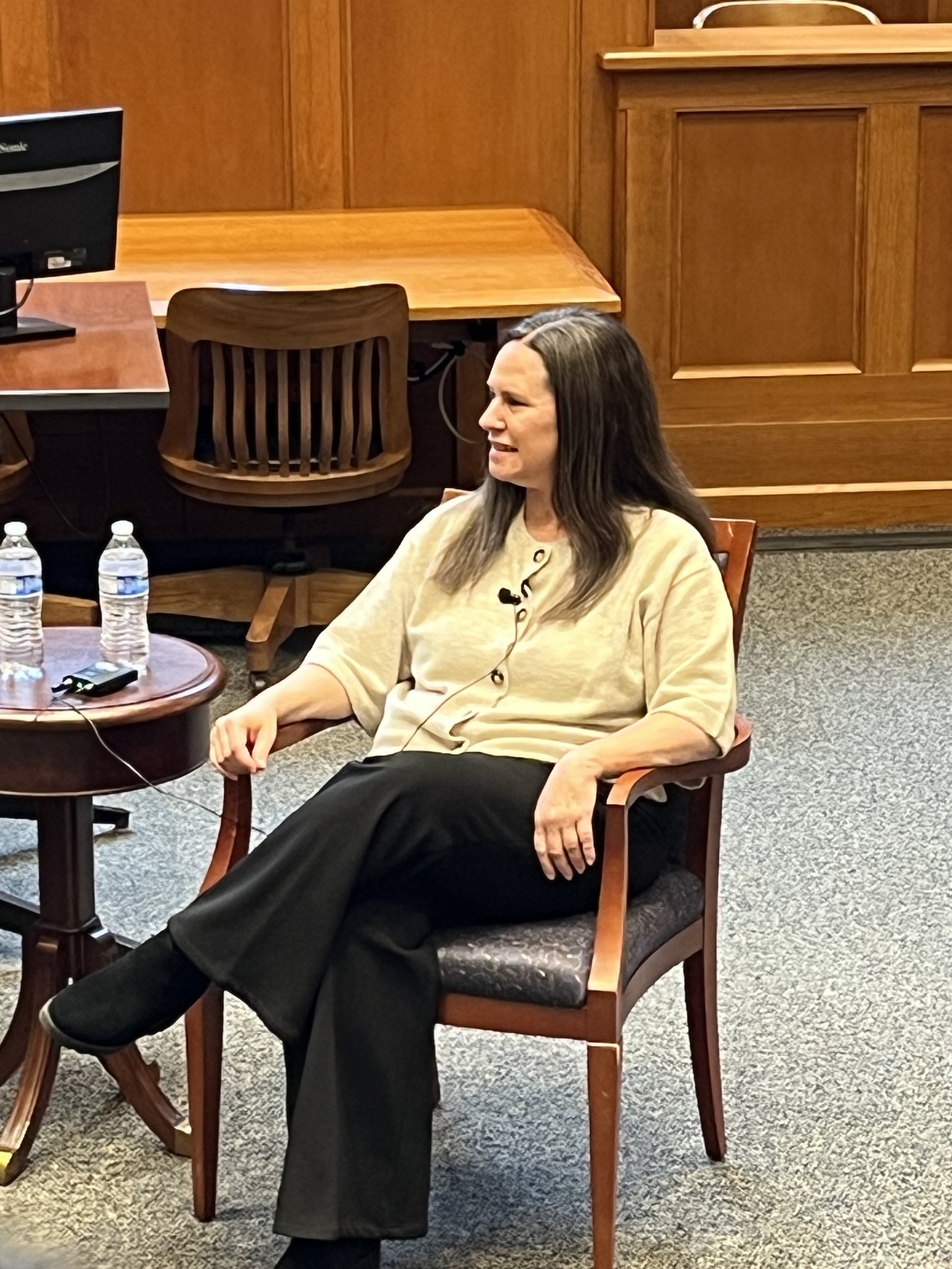
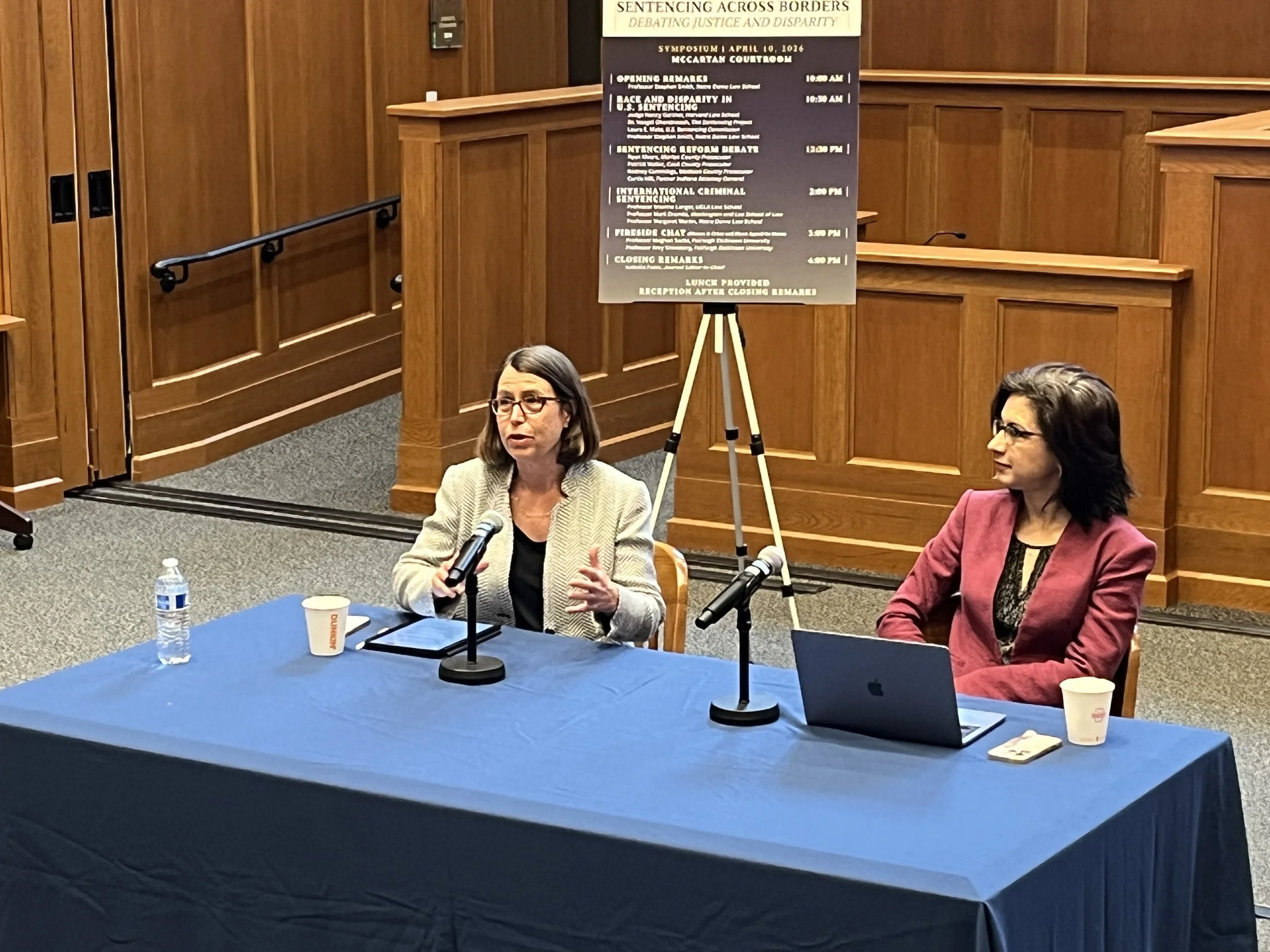
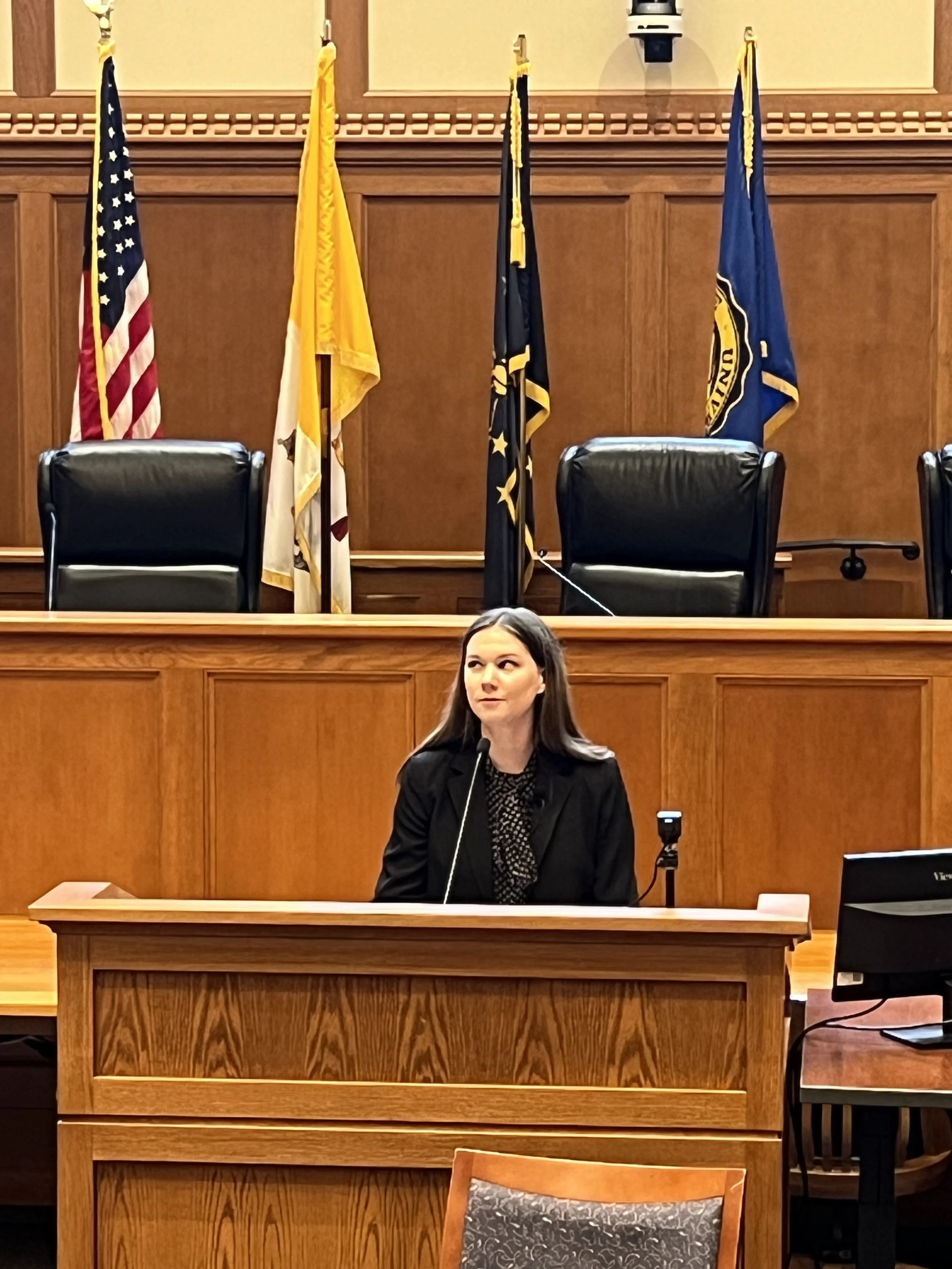
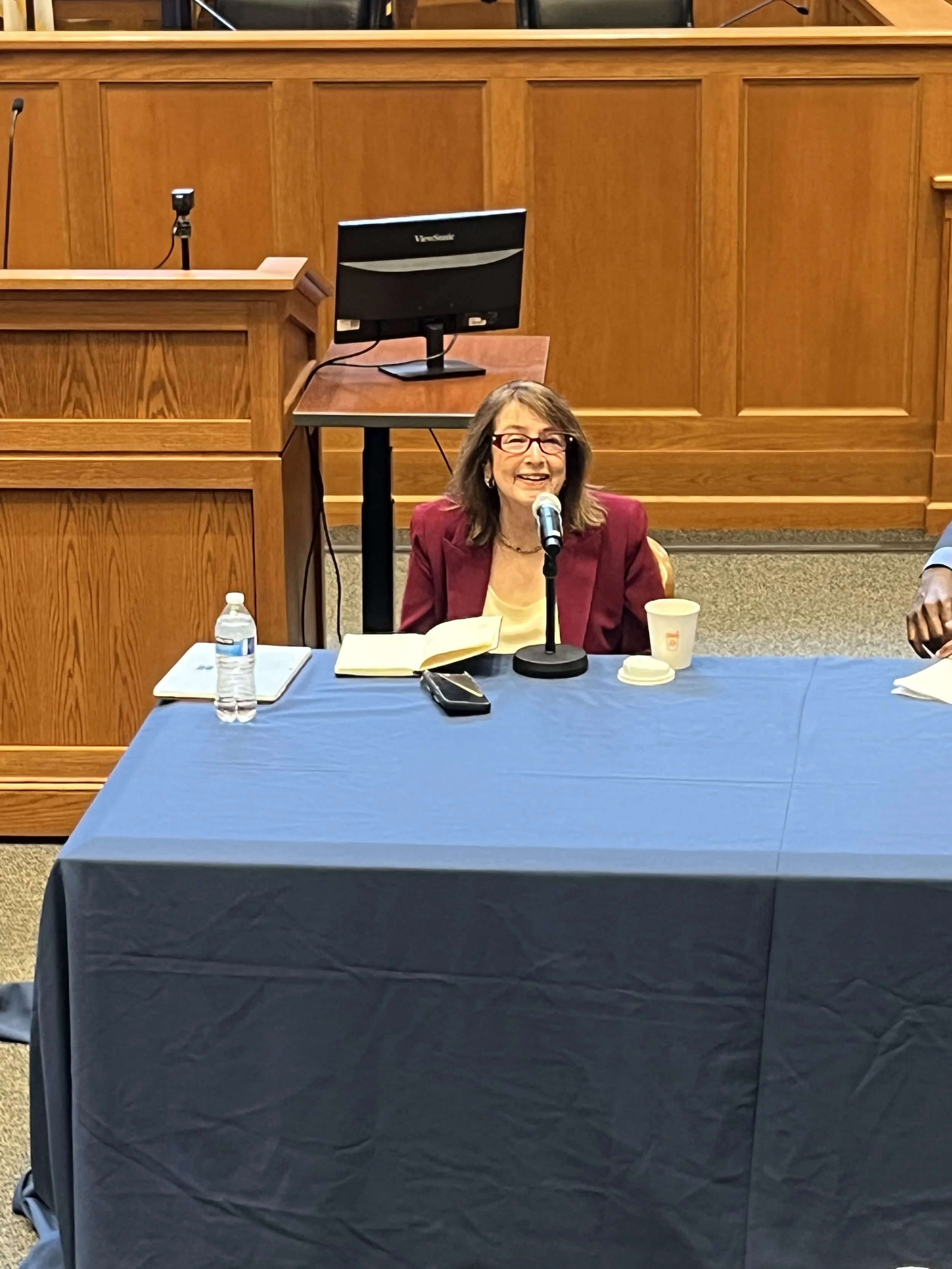
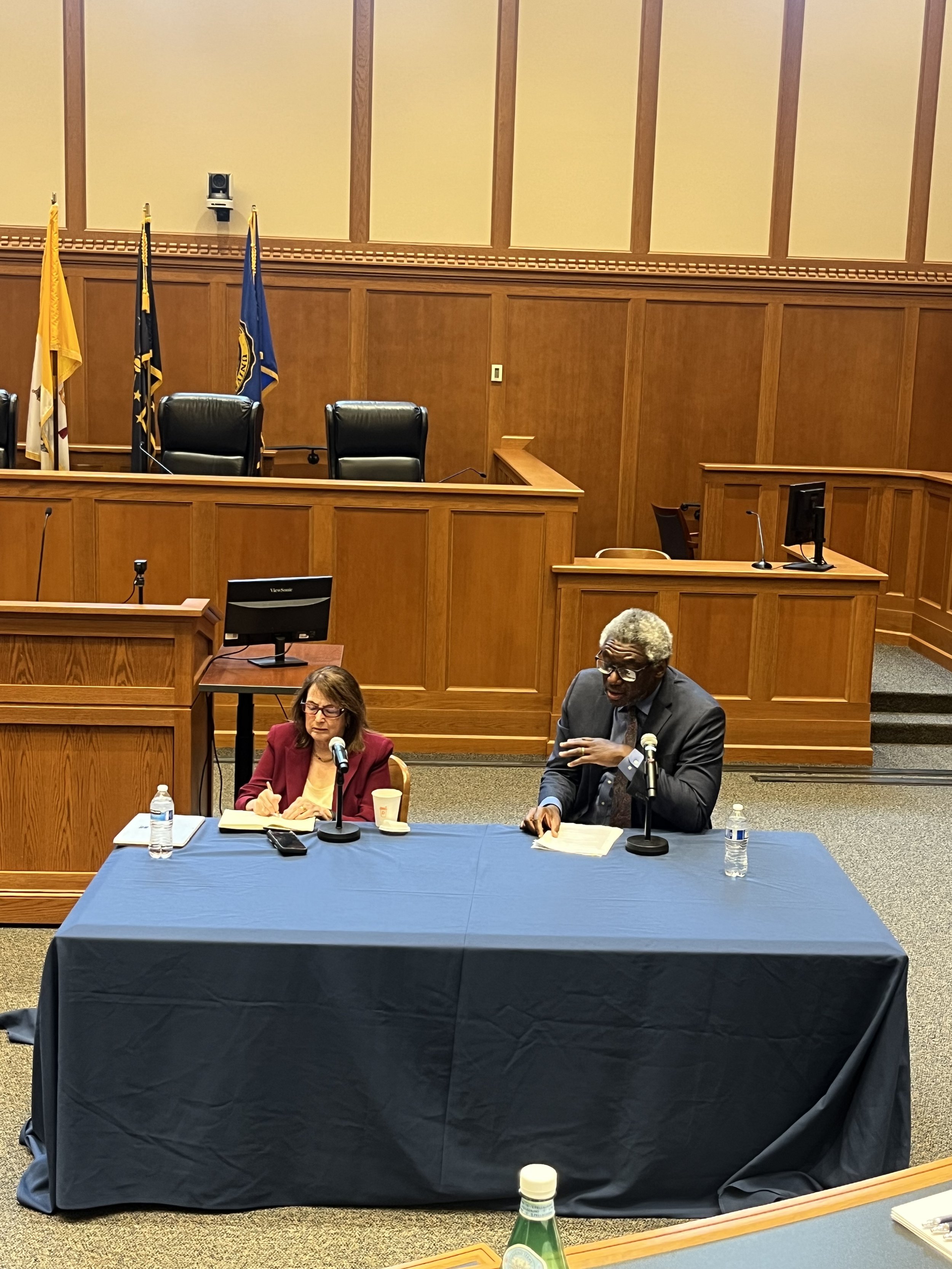
The first panel of the day, “Race and Disparity in U.S. Sentencing,” included Prof. Smith, Judge Nancy Gertner (Harvard Law School), Dr. Nazgol Ghandnoosh (The Sentencing Project), and Commissioner Laura E. Mate (U.S. Sentencing Commission). Each spoke about their own work with sentencing, drawing upon their unique experiences as either judges, lawyers, or researchers. Judge Gertner spoke about her time on the bench and how the current guidelines for sentencing fall short in allowing space for discretion and past experiences. Dr. Ghandnoosh mentioned her research with The Sentencing Project, providing clarity on recent studies that demonstrate how people of color tend to receive longer sentences, despite the same crime, than their counterparts. Commissioner Mate brought in the perspective of the U.S. Sentencing Commission, noting that the guidelines still need improvement in order to adequately advise judges and legislators. Prof. Smith noted how the over-policing of communities causes an increase in criminal history, thereby increasing the amount of sentencing that prior convictions bring to the table. The panel explored the pitfalls of how imbalanced the current sentencing is across the nation, questioning how judges and legislators should move forward to decrease injustice.
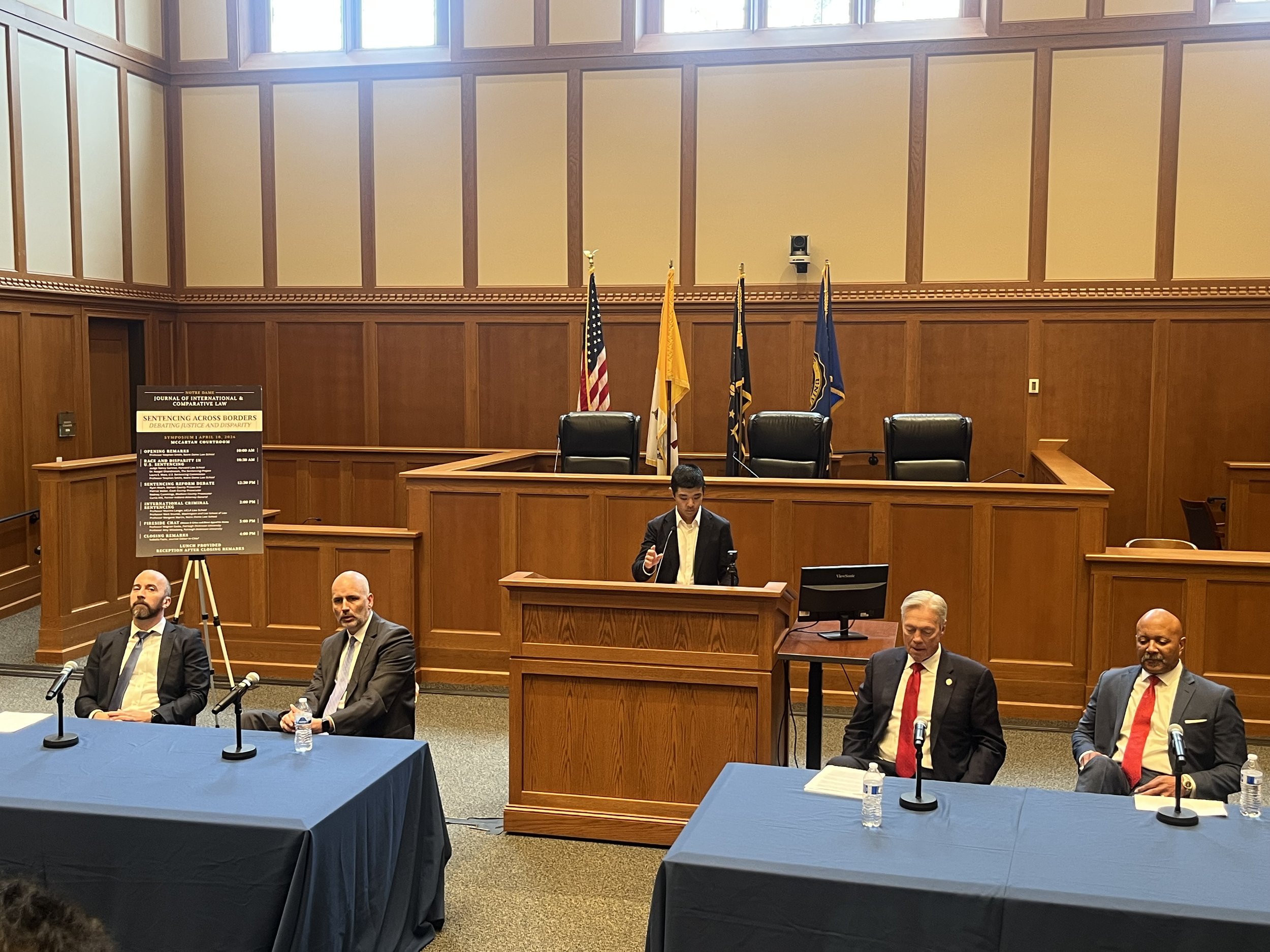
After a short lunch break, the Symposium featured a “Sentencing Reform Debate,” in which Ryan Mears (Marion County Prosecutor) and Patrick Waller (Cook County Prosecutor) argued in favor of progressive reforming. On the opposing side, Rodney Cummings (Madison County Prosecutor) and Curtis Hill (Former Indiana Attorney General) stood in favor of conservative reforms. Each debater had twelve minutes to present their arguments, and each individual later had five minutes for a rebuttal. The debate finished with an interactive Q&A from the students, where debaters spoke about their experiences with rehabilitation programs and minimum sentencing. The debate demonstrated how prosecutors across both sides of the aisle can agree that the current criminal justice system lacks concrete rehabilitation measures to avoid recidivism; the question lies instead as to how to effectively reform the system while keeping society as safe as possible.
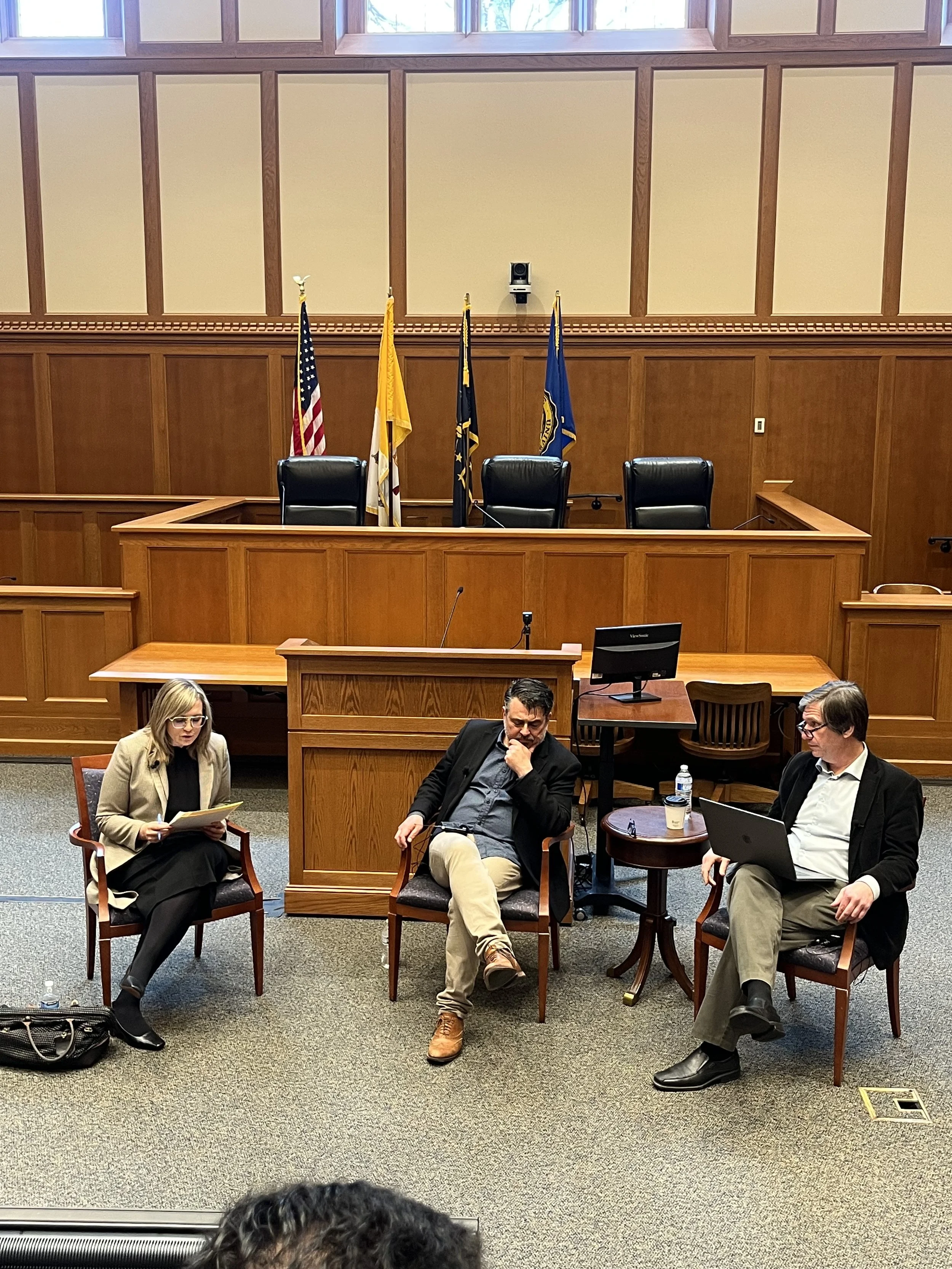
The last panel of the day, “International Criminal Sentencing,” involved Prof. Maximo Langer (UCLA Law School) and Prof. Mark Drumbl (Washington and Lee School of Law), moderated by Prof. Margaret Martin (Notre Dame Law School). The three professors engaged in a discussion about juvenile sentencing at the international level, focusing on the topic of juvenile justice in the wake of mass atrocities. Prof. Langer spoke about his time working with accused child soldiers in Rwanda, acknowledging the difficulty of prosecuting such a young crowd. He also touched upon the realities of those hurt and affected by child soldiers, and the reluctance of international criminal tribunals to address this population. Prof. Drumbl spoke of his historical work in tracing the origins of the juvenile system in the U.S., noting that the U.S. is among the first in the world to develop its own juvenile courts. The discussion illuminated how sentencing affects the development of juveniles and how to sentence kids, if applicable, in a humane way.
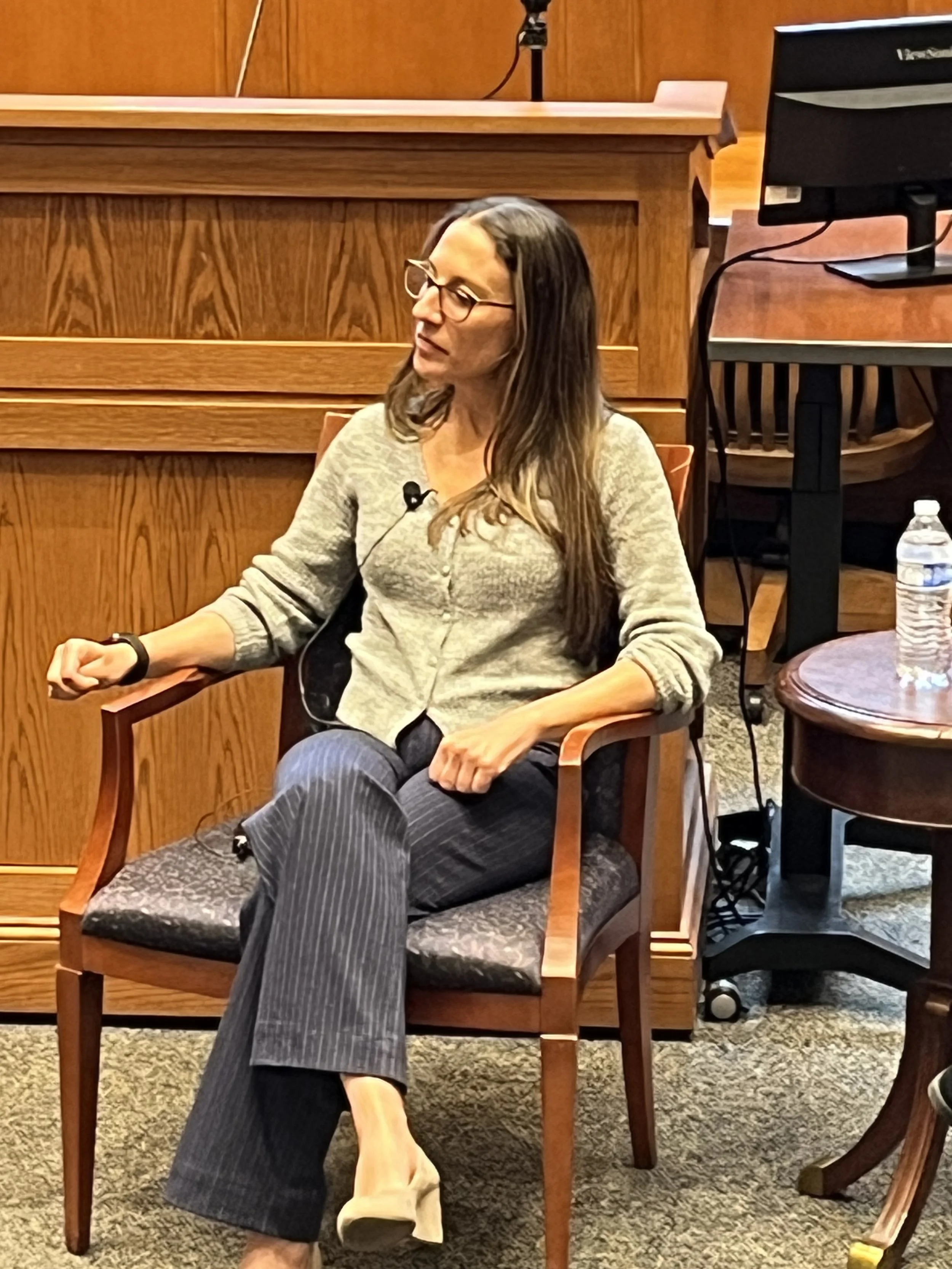
Following the panel, Isabella Fazio (JICL Editor-in-Chief) hosted a Fireside Chat with the Women and Crime and Direct Appeal podcasters, Prof. Meghan Sacks (Farleigh Dickinson University) and Prof. Amy Shlosberg (Farleigh Dickinson University). The professors spoke about their inspiration behind the podcasts and what propels them to keep sharing these stories with the world. They each mentioned a list of their recommended books and documentaries about incarceration, such as the book The New Jim Crow by Michelle Alexander and the documentary 13 on Netflix by Ava DuVernay. The chat ended with a short Q&A with the audience that touched upon their most impactful podcast episodes.
To conclude the day, Isabella Fazio (JICL Editor-in-Chief) reflected on the topics of the day in her closing remarks, calling to mind the intricacies of sentencing as it relates to different groups of people around the world. She thanked all speakers, organizers and participants for attending the Symposium. The day concluded with a light reception in the Eck Atrium.